The Sunday Morning Secret: Better Frozen Costco Croissants
Discover the simple "thaw-proof" secret to turning Costco’s unbaked croissants into a buttery, flaky Sunday morning masterpiece—without the stress of hosting.
The Sunday Morning "Freezer Cheater"
After the holidays, the mental energy for elaborate hosting hits zero. You want the atmosphere of a slow Sunday—complete with the scent of fresh pastry—without the 48-hour technical commitment of laminating dough from scratch.
I’ve spent years experimenting with store-bought croissants and homemade fillings, but I needed a solution for those mornings when I wanted a few fresh rolls without a trip to the bakery. I’d thought about making them from scratch many times, but after researching the labor involved, I realized I had much better things to do with my time than manage a three-day dough project.
The Hunt for the Perfect Pastry
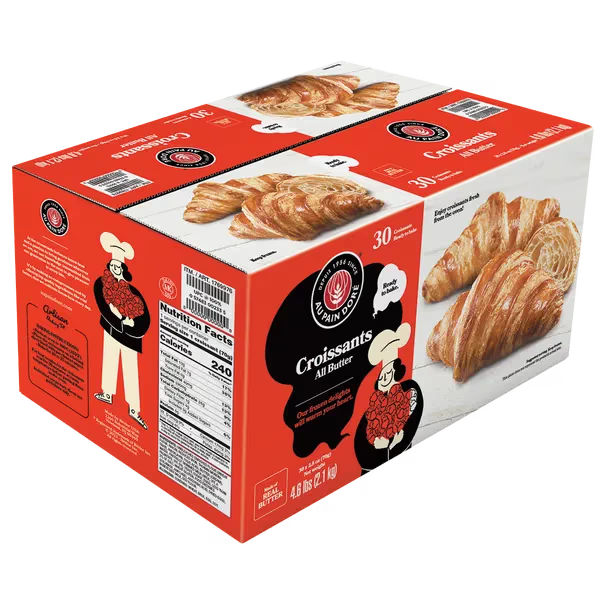
Finding high-quality, unbaked croissant dough in Canada is surprisingly difficult. Most grocery stores stock pre-baked or "thaw and serve" options that lack that shattered-glass crust. After several failed hunts at major retailers, I finally secured a bulk box of unbaked croissants from Costco: Au Pain Doré all butter croissants.. The potential was there: professional-grade dough in my freezer, ready for a cozy winter morning whenever I needed it.
When the Instructions Let You Down
My first attempt followed the package instructions to the letter, and the result was a technical failure. While the exterior looked golden, the interior remained a dense, gummy mass of raw dough. The flavor was thin because the center hadn't properly aerated. The temperature transition from freezer to oven was too aggressive; the outside set and browned before the internal heat could lift the layers and cook the core through.
The Secret is in the Thaw
I pivoted to a problem-solving mindset. When baking artisanal bread, dough needs to reach an equilibrium temperature to allow for proper "oven spring." I theorized that these croissants were entering the oven too cold, preventing the butter from expanding the layers before the crust hardened. I also wanted to test an initial bake at a higher temperature to force the puff, while reducing for the rest of the bake.
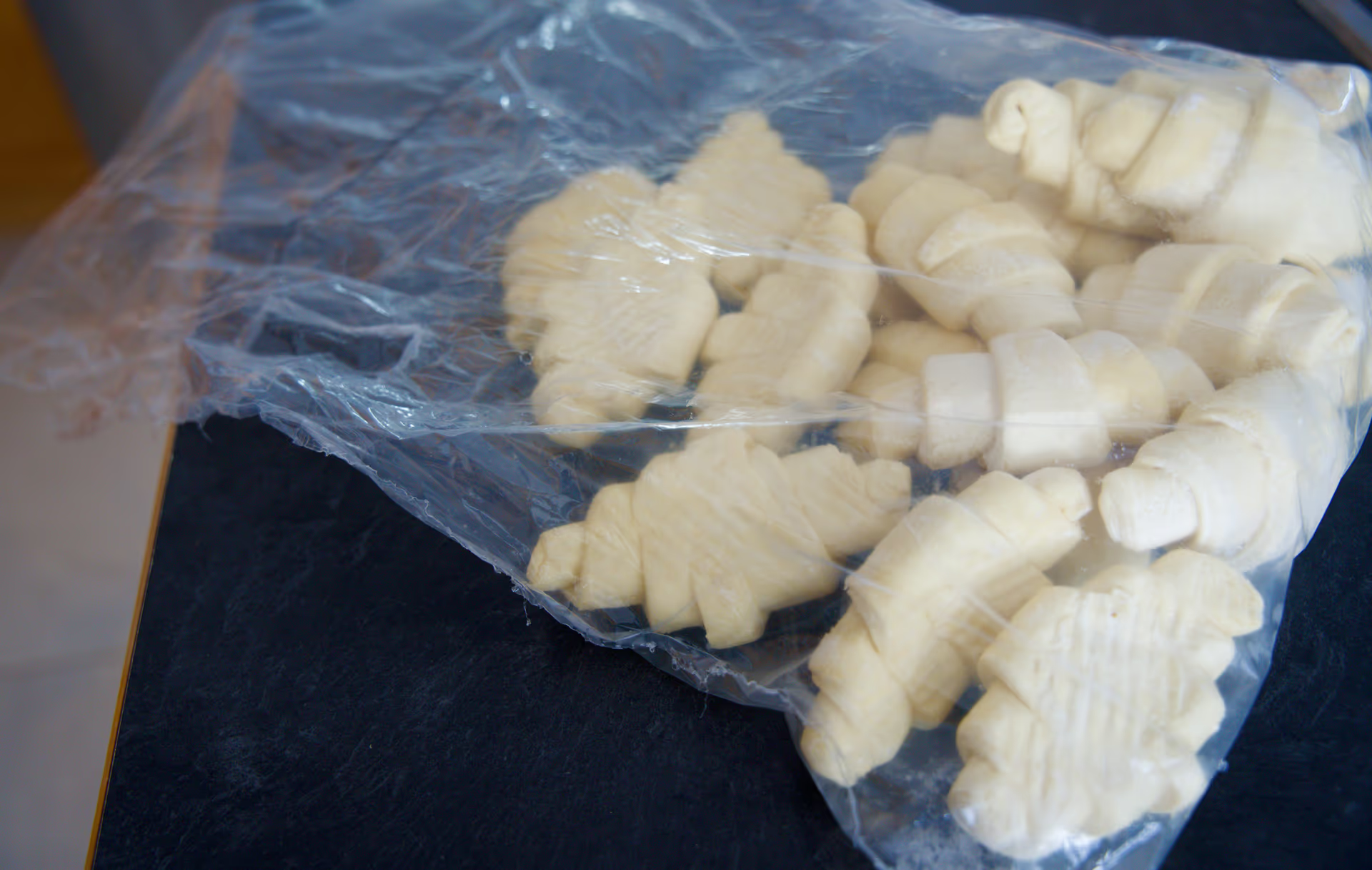
The Experiment: I pulled the dough and let it sit at room temperature for about 45 to 60 minutes. This "thaw-proof" stage allowed the butter layers to soften slightly and the dough to relax before hitting the high heat of the oven.
Golden, Flaky Success
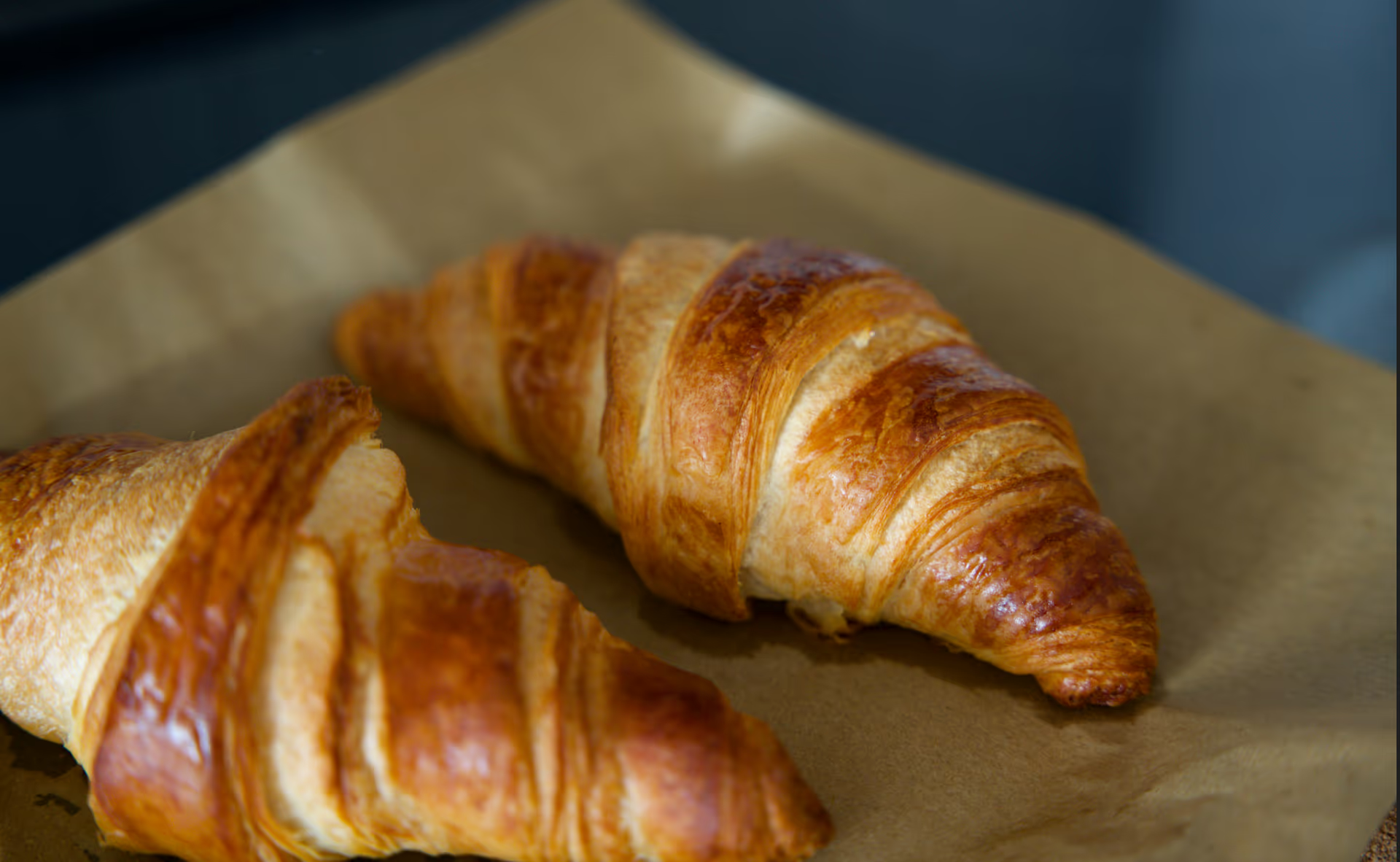
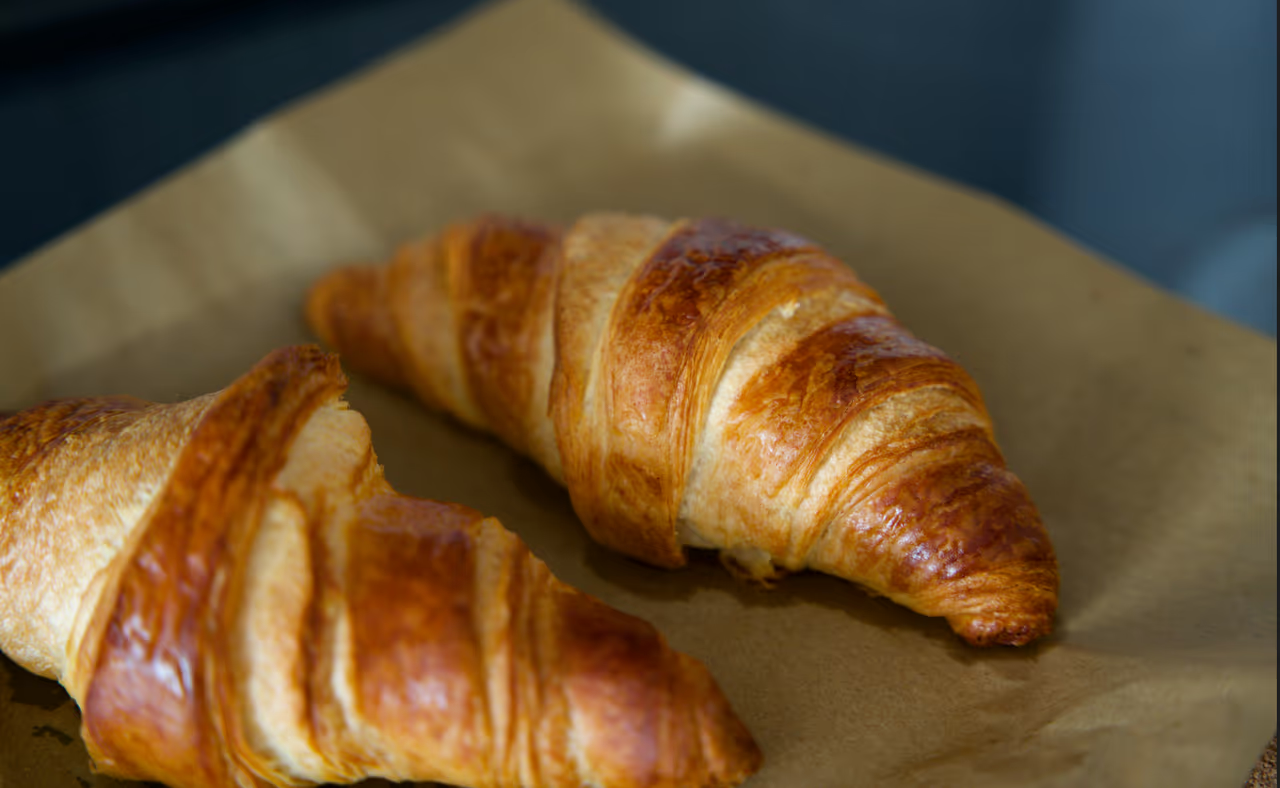
Armed with a bit more confidence and a better eye for the deep mahogany color of a finished bake, I found success. The results were night and day: a shattered-flake exterior and a fully set, buttery honeycomb crumb. They were light, airy, and perfectly fluffy. It was a delicious result from a "freezer cheater" box, made right in my own kitchen.
Low-Effort, High-Impact Fillings
Personally, I prefer the croissants best with something in the middle. I’ve made Earl Grey tea mousses with fresh strawberries in the past—which are crowd-pleasers—but for a low-effort morning, I prefer a "cheater" chocolate croissant.
- The Fail: I previously tried cutting semi-frozen dough to insert chocolate before the bake. This destroyed the lamination layers, and the pastry failed to rise.
- The Fix: Score the croissant immediately after it leaves the oven. While you’re technically supposed to let them cool, shoving high-quality dark chocolate into the hot center allows it to melt perfectly as it rests.
Other Quick Filling Wins:
- Savory: Scrambled eggs with Parmesan, or fresh chicken, lettuce, tomato, and mayo.
- Heavier Fare: Leftover pulled brisket or even taco meat and toppings.
- Sweet: A side of crème anglaise for dipping.
Anything in a croissant feels elevated, and your guests won’t believe how little work actually went into it!
Comments
No comments yet. Be the first to share your thoughts!